Why a rare freeze does so much damage here
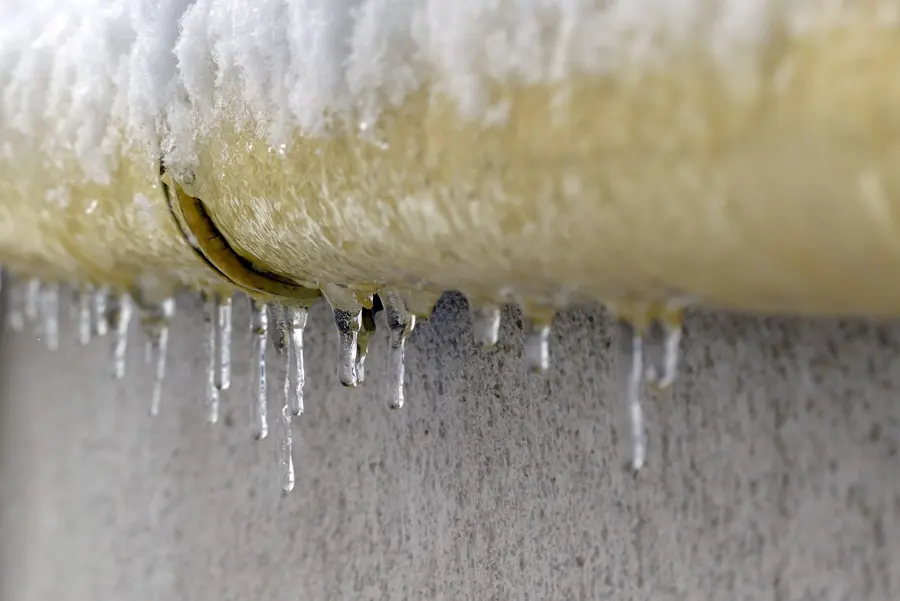
Georgia houses are built for heat, not cold. Supply lines run through vented crawl spaces, unheated garages, exterior walls and attics with little or no insulation, because most winters never test them. When an arctic blast drops metro Atlanta into the single digits, as the December 2022 cold snap did, water in those exposed lines freezes, expands and splits the pipe. The leak usually starts when the weather warms up and the ice melts, often while everyone is relieved the cold is over.
- Lines in vented crawl spaces under ranch homes
- Hose bib and laundry lines on outside walls
- Water heater and supply lines in unheated garages
- Attic lines feeding bonus rooms and second-floor baths
How frozen pipe water is dried out
The extraction crew pulls standing water from floors and from the crawl space vapor barrier. The tech who does the walkthrough maps moisture in walls, subfloor and joists with meters and thermal imaging. Cold slows evaporation, so the drying team may add heat and uses LGR dehumidifiers, or desiccants for dense materials, to keep drying on pace. Wet insulation in walls and crawl spaces usually comes out. See crawl space water removal and structural drying for the details.
Before the next hard freeze: disconnect garden hoses, cover hose bibs, close crawl space vents and let a faucet drip on outside walls.
Preventing the next one
Pipe insulation, sealed crawl space vents in winter and heat tape on vulnerable lines prevent most freeze losses. Ready.gov winter weather tips cover the basics, and the National Weather Service in Peachtree City issues hard freeze warnings for DeKalb County a day or two ahead. If a line did split, the burst pipe cleanup page covers what happens inside walls and ceilings.